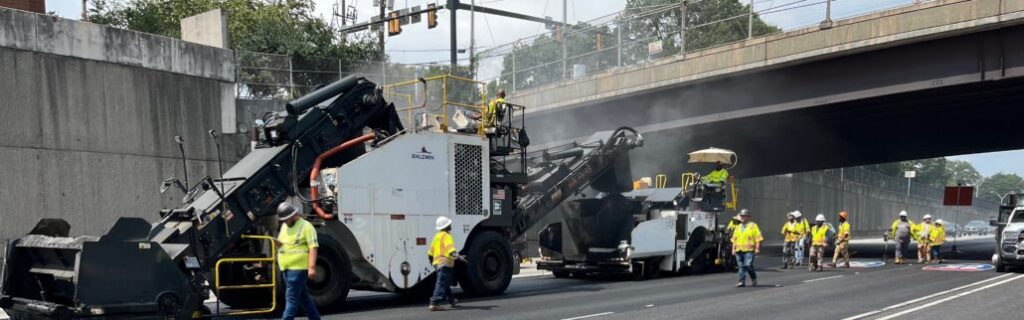
When To Hire an OSHA Consultant for Your Project

OSHA Consultant

Construction projects carry weight: steel, deadlines, costs, and risk. OSHA rules set the standard, but keeping pace with inspections, training, and documentation is rarely simple. One overlooked hazard, one missing certification, one unlogged incident, and suddenly the project grinds under the weight of citations and liability.

This is where OSHA consulting becomes essential. They don’t replace your team, they strengthen it. The question isn’t if you’ll need one. It’s when.

Signs You Need External Compliance Support

Some companies bring in help early. Others wait until inspectors show up at the gate. The smarter move is recognizing the warning signs before it gets that far.

  • Paperwork piling up, while supervisors lose time in the field.
  • Training records with gaps that no one can explain.
  • Near-misses that happen too often to ignore.
  • Confusion about which OSHA or state rules apply to your project.

These aren’t minor problems. They’re signals. Signals that compliance is slipping, and outside expertise could prevent the situation from turning costly.

Pre-Construction & High-Risk Environments

The best moment to involve a consultant? Before the first worker sets foot on site. Pre-construction planning means you identify hazards early, you write safety programs into the schedule, and contractors avoid building risk into the foundation of the project.

High-risk environments, such as confined spaces, industrial facilities, or data centers, raise the stakes even higher. These projects demand specialists who can anticipate risks crews may not see until it’s too late. A consultant brings that foresight.

Post-Incident or Citation Follow-Up

Of course, sometimes the call for help comes after things go wrong. An injury occurs. A notice of violation lands on your desk. Or worse, OSHA issues citations that threaten the project budget and reputation.

In these moments, consultants are critical. They help investigate what happened, prepare corrective action plans, and retrain crews. They also serve as proof to regulators that your company takes compliance seriously, turning a setback into a structured recovery.

Benefits of Bringing in an OSHA Expert for Construction Site Safety Management

The price of violations and delays often dwarfs the cost of a consultant. The benefits are tangible:

  • Regulatory Knowledge: Staying ahead of OSHA, DOT, and state-specific requirements.
  • Objective Perspective: Identifying blind spots your team has learned to overlook.
  • Audit Readiness: Providing documentation that inspectors demand, organized and credible.
  • Cost Control: Reducing the chance of fines, claims, and rising insurance premiums.

A consultant’s value is often invisible. It’s the accident that never happened, the fine that never arrived, the deadline that never slipped.

HB NEXT’s OSHA Consulting Services: What To Expect

This is where HB NEXT steps in. With over 25 years of compliance expertise, HB NEXT delivers OSHA consulting services that cover every phase of construction.

Here’s what contractors can expect:

  • Pre-Construction Planning: Hazard assessments and site-specific safety programs.
  • On-Site Oversight: Inspections, audits, and real-time feedback for supervisors.
  • Incident Support: Guidance on corrective actions, communication with regulators, and retraining.
  • Comprehensive Training: OSHA-compliant courses for every level of the workforce.

With HB NEXT, contractors don’t scramble when OSHA arrives. They’re ready, confident, and supported by experts who know precisely what inspectors look for.

Get Expert Support Before OSHA Knocks

Every project benefits from a second set of expert eyes. HB NEXT’s Safety Consulting and Assessment services help contractors identify risks early, strengthen compliance programs, and ensure teams are inspection-ready long before regulators arrive. From on-site audits to documentation reviews, our consultants give you the confidence that your safety plan can withstand scrutiny.

Have questions about your next project or need help addressing a compliance challenge? Ask HB NEXT to connect with our safety professionals and get the guidance your team needs to stay safe, compliant, and productive.

Developing a Stormwater Pollution Prevention Strategy

Stormwater Pollution Prevention

Stormwater doesn’t just vanish after rainfall; it carries sediment, chemicals, and debris straight from your jobsite to nearby waterways. Regulators know it. Inspectors watch for it. And fines for non-compliance can escalate quickly, reaching thousands per day. That’s why every contractor needs a Stormwater Pollution Prevention Plan (SWPPP). It’s more than paperwork; it’s your defense against costly violations and reputational harm.

Understanding Stormwater Pollution Prevention

Stormwater regulations exist for one reason: control. Runoff moves quickly and, without barriers, spreads pollution beyond the site. Erosion, spills, and unmanaged waste aren’t minor oversights; they’re violations that trigger inspections, penalties, and community scrutiny.

A SWPPP shows regulators that your project has a strategy. It outlines how you’ll prevent pollution, manage erosion, and maintain compliance throughout construction. Without one, it exposes you. With one, you’re prepared.

Key Components of a Construction SWPPP

Every effective SWPPP includes core elements that prove compliance isn’t guesswork:

  • Site Maps: Clear layouts showing slopes, drainage paths, and discharge locations.
  • Best Management Practices (BMPs): Measures like silt fencing, inlet protection, and sediment basins.
  • Inspection Schedules: Weekly or rain-event inspections, complete with corrective action logs.
  • Maintenance Plans: Ensuring BMPs are functional and adjusted as conditions change.
  • Documentation: Records inspectors want to see, time-stamped, consistent, and verifiable.

Miss one of these, and regulators assume the program is incomplete. Include them, and you create a defensible, inspection-ready strategy.

How To Develop a SWPPP

Developing a plan requires structured steps:

  1. Assess the Site: Identify water flow, slopes, and potential erosion zones.
  2. Select Controls: Choose BMPs suited to your site, not generic templates.
  3. Define Inspections: Establish who inspects, how often, and what they document.
  4. Keep Records: Logs, photos, and reports serve as proof, not just intentions.
  5. Update the Plan: Modify controls as site conditions evolve or regulations require.

The strongest plans adapt. They evolve as construction progresses, ensuring compliance doesn’t slip as conditions change.

Build Your SWPPP With HB NEXT

This is where HB NEXT steps in. With decades of compliance expertise, HB NEXT helps contractors not just create Stormwater Pollution Prevention Plans but also maintain them effectively.

Here’s what HB NEXT delivers:

  • Plan Development: Site-specific strategies aligned with EPA and state requirements.
  • Scheduled Inspections: Weekly, bi-weekly, or rain-event inspections by professionals who know what regulators expect.
  • Detailed Documentation: Audit-ready records that stand up during inspections.
  • Ongoing Support: Expert oversight so you don’t leave compliance to chance.

With HB NEXT, you’re not scrambling to patch gaps; you’re staying ahead with a plan you build, maintain, and defend.

Take the Next Step Toward a Stronger Stormwater Compliance Program

A well-developed SWPPP protects more than your jobsite; it protects your reputation, your bottom line, and your ability to keep projects moving. HB NEXT makes it easy to build and maintain a plan that satisfies regulatory requirements and keeps inspectors confident in your operations.

Explore how our Stormwater Pollution Prevention Plan services help contractors stay compliant from groundbreaking to final inspection.

Have questions or need guidance from an environmental compliance expert? Ask HB NEXT to connect with our team and get personalized support for your next project.

How to Prepare for a Surprise OSHA Inspection

Safety-Manuel

An OSHA compliance inspector doesn’t send a calendar invite. They arrive unannounced. They flash credentials at the gate. And in that moment, your preparation, or lack of it, becomes obvious. For some companies, it means frantic calls, shuffling papers, and supervisors scrambling to “clean up” the site. For others, it’s business as usual, because compliance isn’t a fire drill; they build it into daily operations.

The question is simple: which category do you want your company to fall into?

Know What To Expect for an OSHA Compliance Inspection

Surprise inspections happen for many reasons, such as an employee complaint, a recent injury, or a random selection. Whatever the trigger, the process is structured. Inspectors begin with an opening conference, walk the site, review hazards, and end with a closing conversation.

The companies that fare well don’t rely on guesswork. They anticipate what OSHA looks for. Injury and illness logs are up to date. Training records organized, hazard communication plans in place. By knowing the steps in advance, they face inspections with composure instead of panic.

What Happens During an OSHA Visit

Every visit unfolds in phases:

  • Opening Conference: Officials explain the purpose of the inspection.
  • Walkaround: Inspectors observe conditions, equipment, and employee practices.
  • Interviews: They may ask workers questions privately.
  • Closing Conference: Officials discuss findings and outline next steps.

Each phase is an opportunity, or a risk. If documents are missing or hazards are visible, inspectors will note it. If your team demonstrates readiness, the inspection passes more smoothly.

Common Questions and Documentation Requests

Expect inspectors to request:

  • OSHA 300, 300A, and 301 logs.
  • Training records and certifications.
  • Hazard communication and PPE records.
  • Written programs covering fall protection, confined spaces, lockout/tagout, and more.

They’ll also verify that workers actually know the training they’ve received. If employees can’t explain safety procedures, paperwork alone won’t save you. Consistency between records and worker knowledge is critical.

Perform Hazard Assessments & Safety Trainings

The best defense against citations isn’t scrambling when OSHA arrives; it’s ongoing preparation. Companies should regularly conduct hazard assessments to identify risks before inspectors do. Safety training should be role-specific, up to date, and documented each time.

These steps do more than satisfy OSHA. They prevent accidents. They protect employees. And they build a safety culture that inspectors can see the moment they step onto the site.

How HB NEXT Can Help You Avoid Costly Citations

Compliance is a moving target. Regulations change. Documentation piles up. Inspections require precision. That’s where HB NEXT makes the difference.

Here’s what HB NEXT provides:

  • Compliance Management: Centralized tracking for training, certifications, and incident logs.
  • On-Site Professionals: Experts who keep your site inspection-ready every single day.
  • Training Programs: OSHA-compliant courses that ensure both documentation and worker comprehension.
  • Audit Preparation: Proactive reviews to close compliance gaps before inspectors find them.

With HB NEXT, companies don’t just hope for the best during a surprise inspection; they prepare for it.

Contact HB Next to Discuss Your OSHA Compliance Goals

If you’re ready to take the uncertainty out of OSHA inspections, HB NEXT is here to help. Our safety experts work alongside your team to strengthen compliance, simplify documentation, and create a jobsite that’s always inspection-ready. Don’t wait for a surprise visit to expose gaps in your program; get proactive support today. Contact HB NEXT to discuss your compliance goals and build a plan that keeps your company protected, productive, and prepared.